Dental Implant Financing: Flexible Payment Options Made for You
Losing a tooth doesn’t have to mean losing your confidence, and at Alpine Family Dental in Kalispell, Montana, it doesn’t have to mean losing sleep over the cost, either. We know that for many of our patients, the biggest question isn’t “Can I get a dental implant?”, it’s “How can I afford one?” That’s why we’ve built flexible, real-world solutions around you: we accept most major insurance plans, offer financing with monthly payments as low as $120, and provide an in-house membership plan for patients without insurance, so cost is never the reason you have to live with a gap in your smile.
Ready to find out what dental implants cost for your specific situation? Call us at (406) 752-1107, no obligation, no pressure, just answers.
How Much Do Dental Implants Cost?
Dental implant costs vary based on your specific needs and treatment plan. Below are typical price ranges — your personalized estimate will be provided at your consultation.
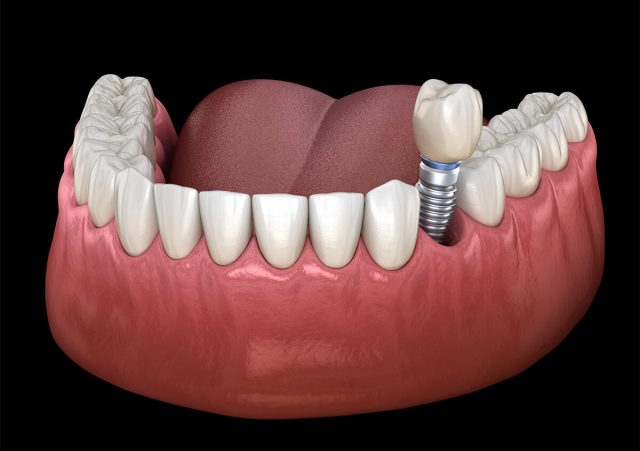
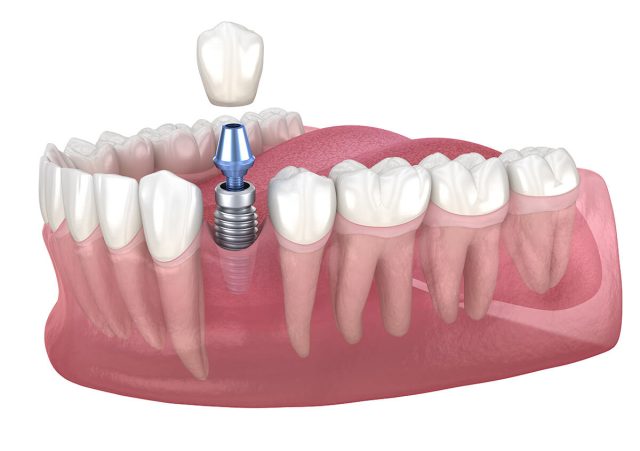
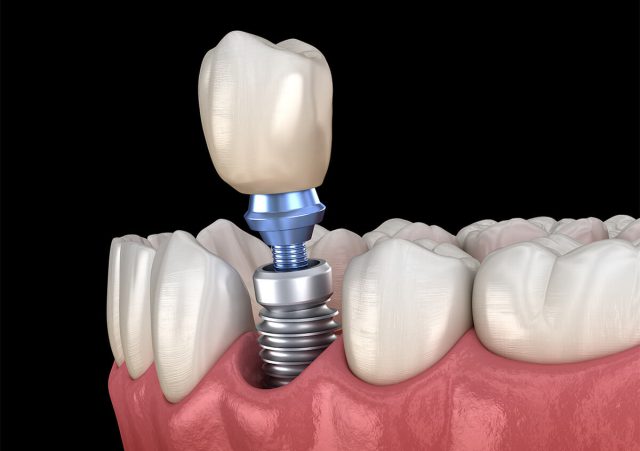
- Single-Tooth Implant: $5,000 – $7,000 Includes the implant post, abutment, and crown.
- Implant-Supported Bridge: $11,000 – $15,000. Replaces multiple consecutive missing teeth.
- All-on-4 Full Arch Restoration: $20,000 – $50,000 per arch. A complete full-mouth solution.
- Additional Procedures: $600 – $3,000 Bone grafts, sinus lifts, and other preparatory care.
Every case is unique. Call us at (406) 752-1107 or schedule a consultation online — we’ll walk you through a personalized estimate at no obligation.

Factors That Influence Your Cost
Several variables affect the final price of your implant treatment. Understanding them helps you plan.
- Number of Implants — Replacing one tooth costs less than replacing several. Each additional implant adds to the total investment.
- Implant Material — Titanium implants are common and typically more affordable. Zirconia implants are ceramic-based and may carry a higher price.
- Implant Brand & Size — Established manufacturers and specialized implant sizes (such as mini implants) can affect the overall cost of treatment.
- Pre-Implant Procedures — Bone grafting, sinus lifts, or periodontal treatments may be needed before implant placement, adding to the total.
- Sedation Type — IV sedation is more involved than local anesthesia and will be reflected in the overall procedure cost.
- Dentist’s Experience — An experienced, reputable implant dentist brings greater precision and a proven track record, which can influence pricing.
- Geographic Location — Costs vary by region. Areas with a higher cost of living, including parts of Montana, typically see higher dental fees.
- Insurance Coverage — If your plan covers any portion of the treatment — such as the crown — your out-of-pocket costs will be reduced accordingly.
- Membership Discounts — Alpine Family Dental members receive 8% off qualifying treatments, which can mean meaningful savings on implant procedures.
How You Can Pay
We accept a variety of convenient payment methods: cash, check, Visa, MasterCard, Discover, American Express, health savings accounts (HSA), flexible spending accounts (FSA), and third-party financing.
No matter your situation, there are three main paths to making your treatment affordable:
- Insurance — We accept most major plans and will help you maximize your benefits, submit pre-authorizations, and file claims on your behalf.
- Financing — Spread costs over time with CareCredit, Sunbit, or Proceed Finance, with payments as low as $120/month.
- Membership — No insurance? Our in-house plan covers preventive care and provides 8% off all other treatments.
Insurance Coverage Explained
Coverage for dental implants varies widely by plan, but there are often ways to use your benefits to reduce out-of-pocket costs. Our front office team will guide you every step of the way.
What Your Dental Plan May Cover
- Related procedures like extractions and X-rays are often covered.
- Crowns placed on implants may be covered at 50–80%, reducing your share of the cost.
- Most plans carry annual maximums of $1,000–$2,000, which may cover a portion of your treatment.
- Our team can submit a pre-authorization request to your insurer to clarify coverage before you begin.
Medical Insurance & What to Know
- Our office cannot bill medical insurance directly for implant procedures.
- Some patients may seek reimbursement from their medical insurer if implants are deemed medically necessary — for example, following an accident or in cases of significant bone loss. This typically requires detailed documentation and is not a guaranteed outcome.
- Medicare does not typically cover dental implants. Some Medicare Advantage plans may offer limited dental benefits — check with your provider to confirm.
Not sure what your plan covers? Call us, and we’ll review your benefits with you before your appointment. We’ll file claims on your behalf and help estimate your out-of-pocket costs before treatment begins.
Financing Options We Offer
Don’t let the upfront cost delay your care. We partner with three trusted lenders so you can spread payments over time on terms that work for your life.
- CareCredit One of the most trusted names in healthcare financing, CareCredit offers 0% interest promotional periods of 6–24 months (upon approved credit), no upfront payment required, and is widely accepted for general, cosmetic, and preventive dental care.
- Sunbit is designed for everyday dental care needs. Sunbit offers a 90% approval rate, no hard credit check to apply, flexible terms often with no interest, and a fast and simple application process at our office.
- Proceed Finance is ideal for larger or full-mouth treatments like implants and smile makeovers. Proceed Finance offers loan amounts starting at $2,500, extended repayment terms up to 12 years, fixed interest rates with predictable monthly payments, and full-mouth dental implants starting as low as $120/month, depending on credit and treatment plan.
- Health Savings Accounts (HSA) & Flexible Spending Accounts (FSA) If you have an HSA or FSA, you can use pre-tax dollars to pay for dental implants, reducing your overall out-of-pocket cost. Ask our team how to apply your funds toward treatment.
No Insurance? Our Dental Membership Plan Has You Covered
We launched our in-house membership club for patients without dental insurance — so you never have to skip preventive care or pay full price for treatment. Members get covered preventive services, complimentary whitening, and an 8% discount on all qualifying treatments, including dental implants. One flat monthly fee. No surprises.
The $150 lifetime activation fee includes the first month’s membership. 8% discount applies to most treatments; some exclusions may apply.
Child Membership — $23/month 12 years and younger · $150 one-time lifetime activation fee · Save over $150/year.
Includes 2 professional cleanings per year, 1 doctor exam per year, necessary X-rays, 1 emergency exam per year (if needed), fluoride treatment (1 per year), and 8% off all other treatments.
Adult Membership — $32/month 13 years and older · $150 one-time lifetime activation fee · Save over $280/year.
Includes 2 professional cleanings per year, 1 doctor exam per year, necessary X-rays, 1 emergency exam per year (if needed), complimentary whitening (custom-fitted trays, starter kit, and one whitening syringe at each hygiene visit), and 8% off all other treatments.
Perio Membership — $49/month Periodontal disease patients · $150 one-time lifetime activation fee · Save over $460/year
Includes 3–4 periodontal maintenance cleanings per year, 1 doctor exam per year, necessary X-rays, 1 emergency exam per year (if needed), complimentary whitening (custom-fitted trays, starter kit, and one whitening syringe at each hygiene visit), and 8% off all other treatments. For patients enrolled in active periodontal maintenance due to prior treatment of periodontal (gum) disease.
How Membership Savings Apply to Dental Implants. All membership tiers include an 8% discount on qualifying treatments, which can translate to hundreds of dollars off your dental implant procedure. Ask our team how your membership discount can be applied to your specific treatment plan before you begin.
Are Dental Implants Worth the Investment?
Dental implants require a meaningful upfront investment, but their long-term benefits often make them the most cost-effective and rewarding choice.
- Long-Term Cost Savings — Dentures and bridges may need replacement every 5–10 years. Implants can last decades with proper care, reducing future dental expenses significantly.
- Enhanced Quality of Life — Implants look, feel, and function like natural teeth, restoring your confidence, your ability to eat comfortably, and your overall oral health.
- Lasting Health Benefits — Implants preserve the jawbone, prevent bone loss, and maintain your facial structure in ways that dentures and bridges cannot.
If implants are outside your current budget, dentures ($1,000–$3,000) and dental bridges ($2,000–$5,000) are lower-cost alternatives, though they may require replacement over time. Our team can help you weigh the pros and cons at your consultation.
Frequently Asked Questions
Medicare does not typically cover dental implant procedures. Some Medicare Advantage plans may offer limited dental benefits — contact your provider directly to confirm what’s included in your plan.
Dental implants may be available at a reduced cost through certain government or non-profit programs, particularly for low-income individuals or veterans. It’s worth checking with local public health clinics or government programs. Our team can also help you explore all available options.
The easiest way is to call our office. Our team will review your plan, help you understand your benefits, and submit a pre-authorization request to your insurer before treatment begins so there are no surprises.
Yes. Dentures typically range from $1,000 to $3,000, and dental bridges from $2,000 to $5,000. Both are more affordable upfront but may need replacement every five to 10 years and don’t offer the bone-preservation benefits of implants. Our team is happy to help you compare options at your consultation.
Invest in Your Smile, Your Health, and Your Future
Missing teeth can affect far more than your smile—they can change the way you eat, speak, and feel about yourself every day. Dental implants offer a long-term solution that looks natural, functions comfortably, and helps restore confidence in every aspect of life. Whether you’re considering a single implant or a full-arch restoration, the team at Alpine Family Dental is here to help you explore your options and find a path that fits your goals and budget. If you’re in Kalispell, Whitefish, Columbia Falls, Bigfork, or the surrounding communities, call our Kalispell dental office at (406) 752-1107 today to schedule your free consultation and take the first step toward a stronger, healthier smile.