Gum Disease in Kalispell, MT
Gum Disease Treatment Near You
Your smile is your signature; it’s one of the first things people notice about you. But what happens when gum disease quietly undermines that confidence? Gum disease, also known as periodontal disease, is a progressive condition that affects millions of Americans and, left untreated, can lead to tooth loss, chronic health complications, and a significantly diminished quality of life.
The good news? With early diagnosis, proven treatments, and the right preventive habits, gum disease is manageable, and in its earliest stages, fully reversible.
If you’re experiencing symptoms of gum disease, contact our Kalispell dental team at (406) 752-1107 to schedule an evaluation.
Trusted Periodontal Care in the Flathead Valley From Dentists Who Know This Community
At Alpine Family Dental, our clinicians have spent years treating gum disease across all stages in patients from Kalispell, Whitefish, Columbia Falls, and throughout Flathead County. We’ve seen firsthand how Montana’s busy, active lifestyles and cold winters that keep people indoors and away from routine appointments can allow gum disease to progress unnoticed.
That’s why we’ve structured our practice around your schedule. Our Kalispell office is open Monday through Friday, with early morning appointments starting at 7:00 AM, so protecting your oral health doesn’t have to compete with work, school, or family obligations.
Our team stays current with the latest periodontal research and treatment protocols, ensuring that every patient receives care grounded in both clinical evidence and real-world experience.
What Is Gum Disease?
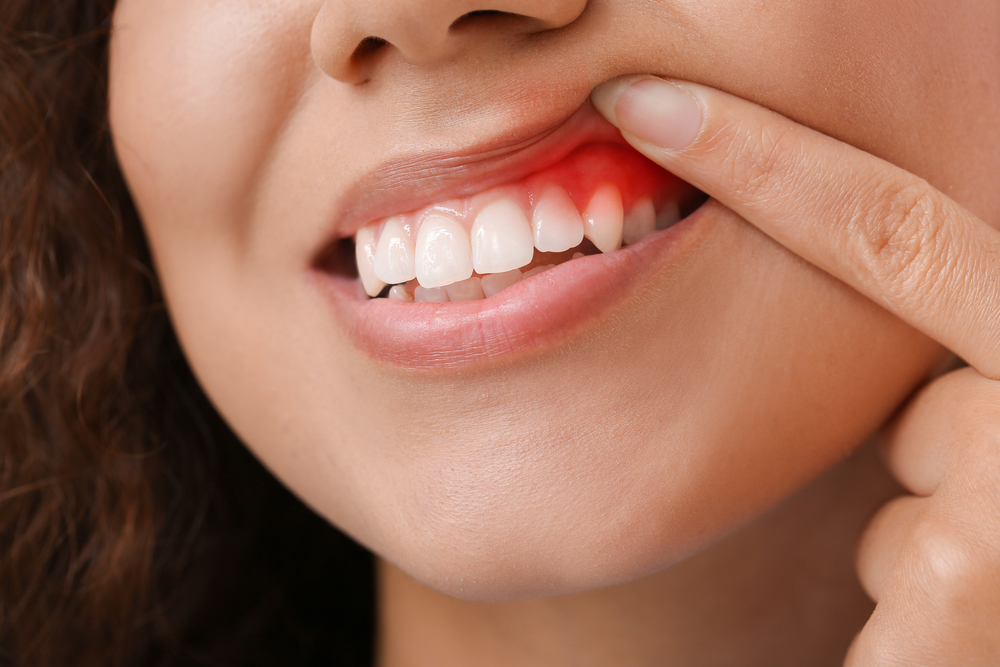
Gum disease is a bacterial infection of the tissues that support your teeth, the gums, ligaments, and bone. It begins when plaque, a sticky film of bacteria, accumulates along and beneath the gumline. When not removed through consistent brushing and flossing, plaque hardens into tartar, which can only be cleared by a dental professional.
The condition ranges from gingivitis (mild gum inflammation) to periodontitis (deep infection that damages bone and connective tissue). In advanced stages, gum disease can cause permanent tooth loss and has been clinically linked to serious systemic conditions, including heart disease, Type 2 diabetes, stroke, and complications during pregnancy.
How common is it? According to the Centers for Disease Control and Prevention (CDC), nearly 50% of adults over age 30 in the United States have some form of periodontal disease, and that number rises to 70% among adults 65 and older. In our clinical experience at Alpine Family Dental, many patients are surprised to learn they have early-stage gum disease because the symptoms are so easy to overlook.
Stages of Gum Disease
Stage 1: Gingivitis
Gingivitis is the earliest, mildest, and fully reversible stage of gum disease. It develops when plaque irritates the gum tissue, causing inflammation. At this stage, no bone or connective tissue has been damaged yet, which means that with professional cleaning and improved home care, your gums can return to full health.
Symptoms of Gingivitis:
- Red, tender, or swollen gums
- Bleeding during brushing or flossing
- Persistent bad breath (halitosis)
- Gums that appear darker red or purplish rather than healthy pink
Clinical note: Many patients don’t realize their gums are bleeding until they start paying close attention. Even occasional bleeding is a warning sign worth taking seriously.
Stage 2: Periodontitis
When gingivitis goes untreated, it can advance to periodontitis. At this stage, infection spreads below the gumline, and the body’s immune response begins to break down the bone and connective tissue holding your teeth in place. Pockets form between the teeth and gums, trapping more bacteria and accelerating damage.
Symptoms of Periodontitis:
- Receding gums that make teeth appear longer than before
- Deep pockets between teeth and gums
- Loose or shifting teeth
- Persistent bad breath or an unpleasant taste that doesn’t go away
- Pain or sensitivity when chewing
- Pus between the teeth and gums
Stage 3: Advanced Periodontitis
In its most severe form, advanced periodontitis results in significant bone loss, substantial tooth mobility, and, without intervention, tooth loss. A 2020 study published in the Journal of Clinical Periodontology found that severe periodontitis affects approximately 11% of the global population, making it the sixth most prevalent disease worldwide. Research has also consistently associated severe periodontitis with increased cardiovascular risk, poorly controlled diabetes, and preterm birth. At this stage, surgical treatment is typically necessary, and prompt care is critical.
Recognizing the Symptoms: When to Call Us
Gum disease is often called a “silent” condition because it can progress for months or years with minimal discomfort. Our clinical team encourages patients to watch for:
- Gums that bleed easily when brushing or flossing
- Swollen, red, or tender gum tissue
- Persistent bad breath or a metallic taste in the mouth
- Gums that have pulled away from your teeth
- Teeth that feel loose, have shifted, or fit together differently when you bite
- Sensitivity or pain when chewing
If you’re experiencing any of these symptoms, don’t wait. Early-stage gum disease is far easier and far less costly to treat than advanced periodontitis. Call our Kalispell office at (406) 752-1107.
Gum Disease Treatment Options at Alpine Family Dental
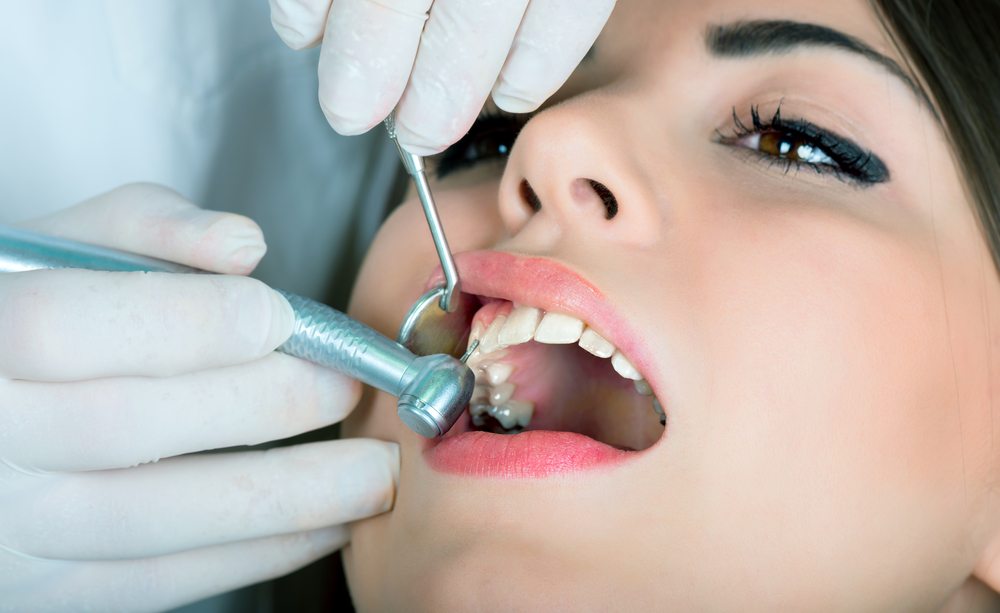
The severity of your condition, your overall health, and your personal goals guide our treatment approach. We never recommend more treatment than necessary, and we always take time to explain your options before moving forward.
Non-Surgical Treatments
For early to moderate gum disease, non-surgical approaches are often highly effective:
- Scaling and Root Planing: Often called a “deep cleaning,” this is the gold-standard first-line treatment for periodontal disease. Our hygienists carefully remove plaque and tartar from below the gumline and smooth the root surfaces to help gum tissue reattach and heal. Most patients see significant improvement following this procedure.
- Antibiotic Therapy: In some cases, we may prescribe topical or oral antibiotics, such as doxycycline, to reduce bacterial load and support healing. These may be delivered as gels, mouth rinses, or slow-release chips placed directly in periodontal pockets.
- Laser Therapy: Our office utilizes dental laser technology to target and remove infected tissue with greater precision and less discomfort than traditional methods. Laser therapy promotes faster healing and is a well-supported option for patients with moderate gum disease.
Surgical Treatments (Advanced Cases)
When gum disease has caused significant structural damage, surgical intervention may be the most effective path to preserving your teeth and long-term oral health:
- Flap Surgery (Pocket Reduction Surgery): Gum tissue is carefully lifted to allow thorough removal of tartar deposits, then repositioned and sutured snugly around the teeth to reduce pocket depth and bacterial harboring sites.
- Bone Grafting: Where bone loss has occurred, grafting with natural or synthetic bone material helps restore structural support and may allow the stabilization of teeth that would otherwise be lost.
- Soft Tissue Grafting: Tissue, typically taken from the roof of the mouth, is used to cover exposed tooth roots caused by gum recession, reducing sensitivity and protecting vulnerable root surfaces.
- Guided Tissue Regeneration: A biocompatible membrane is placed to encourage the regeneration of bone and connective tissue while preventing unwanted tissue from filling the space.
- Osseous (Bone) Surgery: Irregular or damaged bone surfaces are reshaped to eliminate pockets where bacteria accumulate and to create an environment more conducive to healing.
Who Is at Higher Risk for Gum Disease?
Certain factors can significantly increase your likelihood of developing periodontal disease. Our team considers these risk factors during every comprehensive exam:
- Tobacco use: According to the CDC, smokers are approximately twice as likely to develop gum disease as non-smokers, and the risk increases with the number of cigarettes smoked per day. Tobacco impairs immune function and restricts blood flow to the gums, slowing the healing process.
- Genetics: A family history of periodontal disease raises your personal risk, even if your oral hygiene habits are excellent. Research published in the Journal of Periodontology suggests that up to 50% of periodontal disease susceptibility may be genetically influenced. If gum disease runs in your family, more frequent monitoring is advisable.
- Hormonal changes: Pregnancy, menopause, and puberty can all increase gum sensitivity and susceptibility to inflammation, a pattern our clinical team sees regularly in patients. The American Academy of Periodontology (AAP) notes that hormonal fluctuations can make gum tissue more reactive to plaque bacteria.
- Medications: Dozens of commonly prescribed medications, including certain anticonvulsants, calcium channel blockers, and immunosuppressants, can affect gum tissue health or reduce saliva flow, increasing infection risk.
- Chronic systemic conditions: The American Diabetes Association recognizes the bidirectional relationship between diabetes and gum disease; each condition can worsen the other. Cardiovascular disease and autoimmune disorders like lupus similarly impair the body’s ability to fight oral infections.
- Poor nutrition: Diets low in vitamin C or high in refined sugars contribute to bacterial overgrowth and compromise gum tissue integrity.
- Chronic stress: Stress elevates cortisol levels, which suppresses immune function and can accelerate periodontal breakdown. A review in Periodontology 2000 identified psychological stress as a significant risk modifier for periodontal disease progression.
- Misaligned teeth or ill-fitting dental appliances: These can create areas where plaque accumulates and is difficult to remove, even with diligent brushing.
What Does Gum Disease Treatment Cost?
The cost of periodontal treatment varies based on the stage of your disease, the procedures required, your geographic location, and your insurance coverage. As a general reference:
- Professional cleaning (early gingivitis): Starting around $75–$200
- Scaling and root planing: Typically $150–$350 per quadrant
- Laser therapy, gum grafts, bone grafts, or flap surgery (advanced cases): Can range up to $12,000 for comprehensive treatment
At Alpine Family Dental, we work with most major insurance plans and are happy to help you understand your benefits before beginning treatment. We believe cost should never be the reason someone delays necessary care.
Frequently Asked Questions
Gingivitis, the earliest stage, is fully reversible with professional treatment and improved home care. Periodontitis, however, is a chronic condition. While it cannot be “cured,” it can be effectively controlled with consistent professional maintenance and good daily habits. Many patients with treated periodontitis maintain their teeth for life with regular monitoring.
In most cases, yes. Daily brushing and flossing, routine professional cleanings (typically every six months, or more frequently if you have risk factors), a balanced diet, and avoiding tobacco are the most effective preventive measures available. Our team is happy to coach you on technique and frequency based on your individual needs.
Periodontal disease itself is not classified as contagious. However, the bacteria that contribute to gum disease can be transmitted through saliva, for example, through kissing or sharing utensils. This is another reason consistent oral hygiene matters for the whole family.
Many people don’t know until a dental professional examines them. That’s why regular checkups are so important. Our team uses periodontal probing, digital X-rays, and a thorough clinical evaluation at every comprehensive exam to catch gum disease in its earliest, most treatable stages.
Protect Your Smile at Alpine Family Dental, Kalispell’s Trusted Periodontal Team
Gum disease doesn’t improve on its own, but with the right care team, it’s entirely manageable. Whether you’re noticing early warning signs or have been told you need periodontal treatment, our experienced Kalispell dental team is here to help you understand your options and take confident steps toward healthier gums.
Call our dental office in Kalispell at (406) 752-1107 or request an appointment online. We’re open Monday through Friday, with early morning hours from 7:00 AM, because your oral health shouldn’t have to wait.